
Drywood vs. Subterranean Termites: Spotting Early Signs in Coastal Homes
Learn how to distinguish drywood termites from subterranean termites and recognize early signs of infestation in Santa Monica coastal homes.
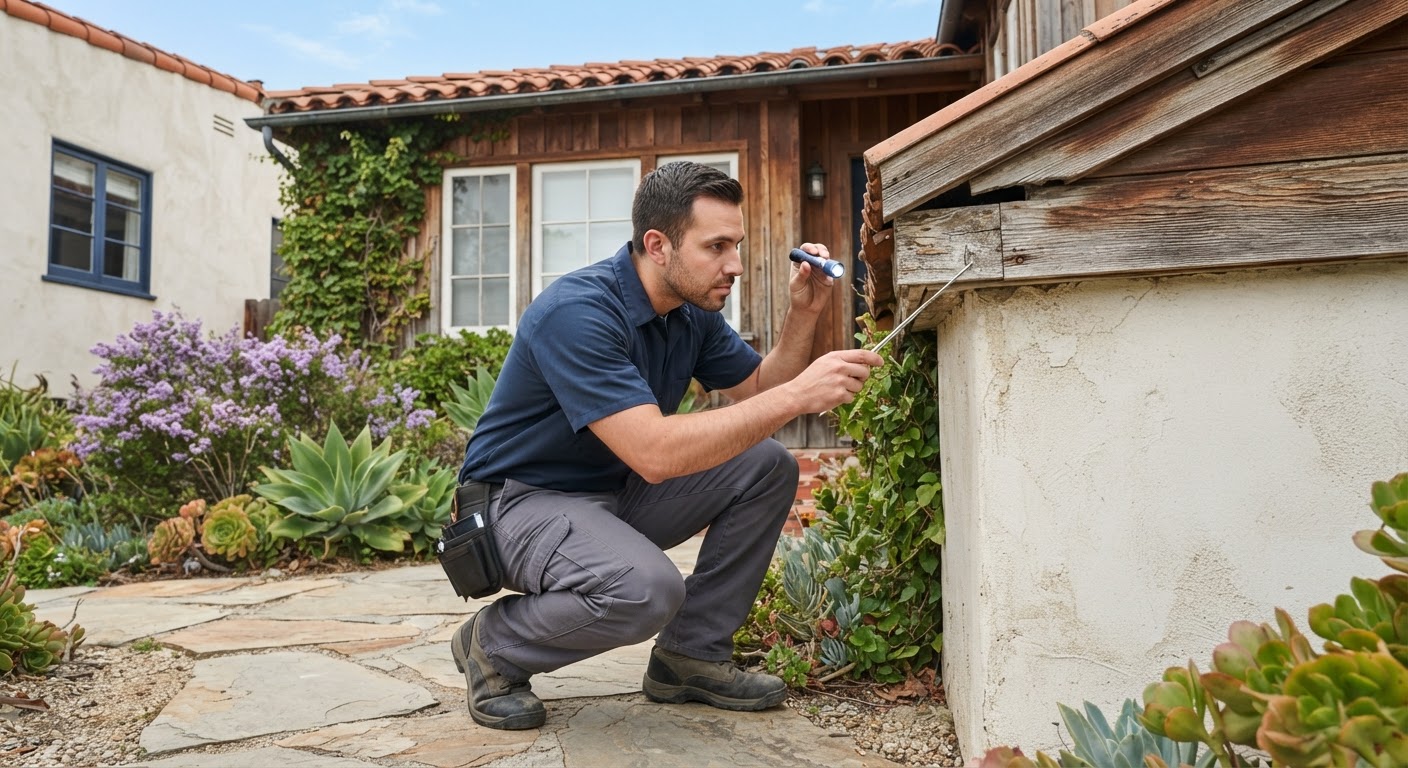
Living near the ocean in Santa Monica offers mild weather and refreshing sea breezes, yet those same coastal conditions create an ideal environment for wood-destroying insects. Homeowners along the coast frequently contend with two distinct types of termites: drywood termites and subterranean termites. While both species feed on cellulose and can compromise the structural integrity of a property, they behave differently, nest in separate areas, and leave behind unique clues.
Recognizing the early warning signs of each species is essential for protecting coastal real estate. Older beach bungalows with exposed rafters, mid-century stucco residences, and newer custom builds all contain accessible framing, trim, and cabinetry. Because termite colonies often work silently behind drywall or beneath flooring before visible damage appears, knowing what to look for helps homeowners address infestations before extensive repairs become necessary.
Understanding the Two Main Coastal Termite Threats
Not all termites share the same biology or habitat preferences. Identifying which species has entered a home determines where an inspector looks and what targeted termite control strategies will be most effective.
Drywood Termites: Living Inside the Wood
Drywood termites do not require contact with soil or an external moisture source to survive. Instead, they draw all the moisture they need directly from the wood they consume and from ambient humidity in the air. In coastal communities like Santa Monica, the recurring marine layer provides plenty of atmospheric moisture to keep drywood colonies thriving inside attic framing, window casings, fascia boards, and even wooden furniture. Because their entire colony lives inside the structural lumber itself, they can infest upper stories, eaves, and roof decks just as easily as ground-level trim.
Subterranean Termites: Building Up from the Soil
Subterranean termites live underground in large colonies and depend heavily on soil moisture to avoid drying out. To reach the wooden framing of a house, worker termites travel upward from the earth through concealed pathways or sheltered tunnels they build themselves. Irrigated landscaping, shaded side yards, leaky hose bibs, and poor perimeter drainage can attract subterranean termites closer to a home's foundation. Once they locate a point of entry, such as a hairline crack in a concrete slab or untreated wood touching the ground, they feed along the grain of lower wall studs, floor joists, and sill plates.
Early Signs of Drywood Termites
Because drywood termites stay hidden within lumber, homeowners rarely see the insects themselves unless a colony swarms. Instead, early detection relies on spotting subtle physical evidence pushed out of wooden surfaces.
Common indicators of drywood termite activity include:
- Frass piles: Drywood termites create tiny kick-out holes to push their fecal pellets, known as frass, out of their tunnels. These pellets are hard, oval-shaped, and uniform in size, often resembling fine sawdust, coarse sand, or ground pepper. You may find small mounds on window sills, baseboards, garage floors, or attic ledges directly beneath infested wood.
- Discarded wings: During warm, calm days, often in late summer or early fall, winged reproductive termites emerge to start new colonies. After landing, they shed their translucent wings, leaving small collections along indoor window tracks, spiderwebs, or porch lighting.
- Blistered or rippling paint: As drywood termites tunnel just beneath the surface of painted trim, door frames, or exterior eaves, the thin remaining veneer of wood and paint can bubble, sag, or peel in ways that mimic minor water damage.
- Hollow-sounding wood: Tapping lightly on baseboards, window headers, or porch rafters with the handle of a screwdriver may produce a papery, hollow sound if termites have hollowed out the interior grain while leaving the outer shell intact.
Spotting even a tiny scatter of pellets that reappears after sweeping is a strong signal that an active drywood colony is feeding overhead or behind adjacent trim.
Early Signs of Subterranean Termites
Subterranean termites leave behind a very different set of clues because of their constant need to move between damp soil and structural wood. Inspections for these pests focus heavily on the perimeter, crawl space, and lower interior walls.
Watch for these early signs of subterranean termite presence:
- Mud tubes: To shield themselves from dry air and predators while crossing exposed concrete, brick, or stucco, subterranean termites build pencil-thin shelter tubes made from soil, chewed wood, and saliva. Look closely along foundation walls, utility pipes, pier posts, and garage expansion joints.
- Soft or buckling floors: Feeding beneath hardwood planks, subflooring, or laminate can cause floorboards to feel spongy, warp unexpectedly, or develop sudden squeaks. Subterranean damage may also leave behind dark, moisture-stained drywall near the floor line.
- Mud-packed galleries in wood: Unlike drywood termites, which keep their tunnels clean and smooth, subterranean termites line their feeding chambers with damp mud and soil residue. Damaged wood often looks layered along the soft springwood grain.
- Indoor or foundation swarmers: Subterranean swarmers typically emerge in late winter or spring after rainfall, often pouring out of soil near foundations, cracks in concrete patios, or bathroom plumbing penetrations.
Because homeowners frequently mistake termite swarmers for flying ants, checking the body shape matters. Termites have straight antennae, broad waists, and four wings of equal length, whereas flying ants feature bent antennae, narrow waists, and front wings noticeably longer than their back wings.
Why Coastal Conditions Complicate Detection
Homes throughout Santa Monica face particular architectural and environmental factors that make early termite detection harder than in inland neighborhoods. Understanding these coastal quirks helps explain why routine monitoring is so valuable.
First, salt air and morning fog naturally weather exterior wood trim, pergola beams, and siding. Peeling paint on ocean-facing eaves is easily dismissed as sun or salt wear when drywood termites may actually be thinning the wood from behind. Similarly, dampness in a crawl space or beneath a planter box is often blamed on marine humidity rather than an active subterranean moisture trail.
Second, stucco exteriors, which are widely used across coastal Southern California, can conceal termite entry points. When stucco extends all the way down to soil level or covers wooden framing without clear inspection gaps, subterranean termites can travel behind the stucco layer unseen. Overgrown coastal landscaping, dense ivy, and thick wood mulch placed directly against exterior walls further obscure mud tubes and foundation cracks from casual view.
Practical Steps Homeowners Can Take Between Inspections
While professional inspections are the most reliable way to uncover hidden colonies, everyday property maintenance reduces the conditions that invite termites indoors. Incorporating a few preventive habits around your home makes early signs easier to spot and discourages new infestations.
- Maintain a clear perimeter: Keep soil, mulch, and dense groundcover pulled back several inches from stucco weep screeds, siding, and foundation walls so mud tubes cannot form undetected.
- Fix moisture issues promptly: Repair dripping outdoor faucets, clogged rain gutters, and misaligned sprinkler heads that soak exterior walls or pool water beside the slab.
- Eliminate wood-to-soil contact: Ensure fence posts, deck steps, trellis supports, and stored firewood do not sit directly on bare earth next to the structure.
- Seal exterior gaps and screens: Keep attic vents fitted with intact fine mesh screening, maintain caulking around window frames, and repair cracked roof tiles or weathered fascia boards that give drywood swarmers easy entry.
- Check high-risk spots seasonally: After warm autumn afternoons or spring rainstorms, walk the perimeter and check window sills, garage corners, and under-sink cabinets for discarded wings, frass, or fresh mud lines.
Protect Your Santa Monica Home with Karnova Pest Control
Catching termite activity early makes a meaningful difference in preserving your home's structure and avoiding disruptive repairs. Whether you have noticed mysterious sawdust-like pellets along a window frame, spotted shelter tubes along your foundation, or simply want peace of mind for your coastal property, an experienced eye can distinguish harmless weathering from an active colony. Karnova Pest Control provides thorough termite control and preventive pest control services tailored to Santa Monica homes. Contact Karnova Pest Control today to schedule a professional inspection and keep your property protected year-round.
Need help from Karnova Pest Control?
Contact our team to discuss your service needs in Santa Monica and surrounding service areas.